
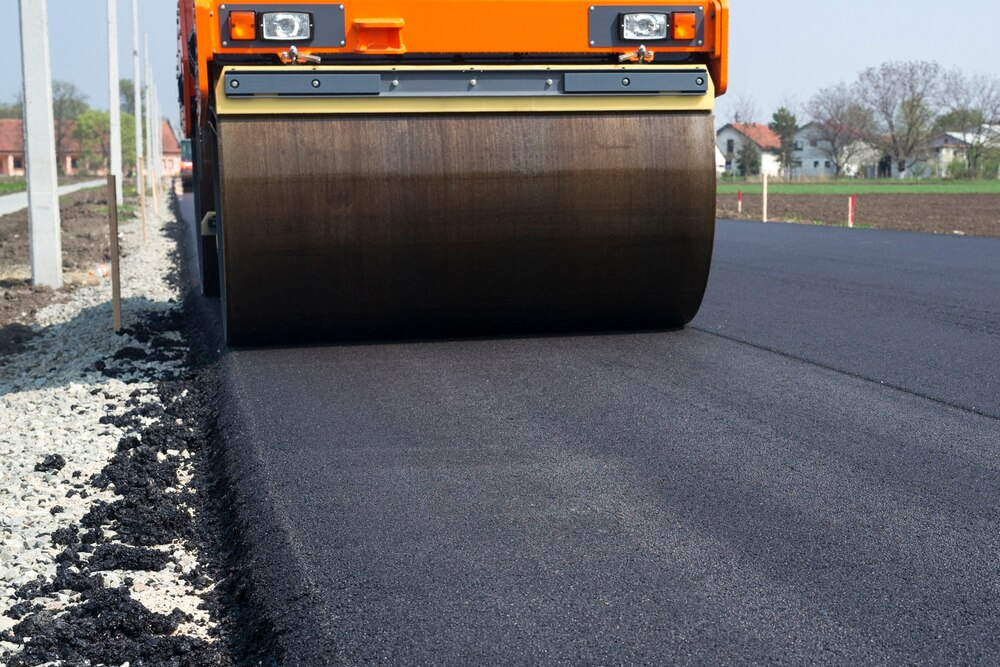
Maintaining a driveway isn’t just about curb appeal—it’s about saving money and avoiding costly repairs. Over time, driveways face many threats like cracks, fading colors, and surface erosion. Applying seal coating regularly acts as a shield, preventing damage and extending the lifespan of your pavement. Statistics show untreated asphalt can develop cracks within just a few years, costing hundreds to thousands of dollars in repairs. Regular sealing keeps your driveway looking good and performing well for years to come.
What Is Seal Coating and How Does It Work?
Definition and Composition
Seal coating is a protective layer applied over asphalt surfaces. It can be made from different materials, such as asphalt-based formulas, coal tar pitch, or acrylic blends. These coatings form a film that seals the surface and provides a barrier against damaging elements.
The Seal Coating Process
First, the driveway needs cleaning to remove dirt, oil, and loose gravel. Cracks should be filled before sealing to ensure a smooth surface. Then, the professional applies the coating evenly using spray or squeegee. The coating needs time to cure—usually 24 to 48 hours—before heavy traffic resumes. While DIY options exist, professional application guarantees even coverage and better durability.
Key Benefits of Seal Coating
- Protects against moisture seepage, preventing water from weakening the asphalt
- Shields the surface from harmful UV rays that cause fading and cracking
- Fends off chemicals from oil, gasoline, and other substances
- Restores the driveway’s color and appearance, making it look new again
Why Regular Seal Coating Is Essential for Long-Term Protection
Prevention of Cracks and Surface Damage
Temperature swings cause asphalt to expand and contract. Without protection, these movements lead to surface cracks. Seal coating reduces this stress and keeps cracks from growing larger. Communities that seal their driveways often see fewer cracks over time.
Protection Against Water and Freeze-Thaw Damage
Water is asphalt’s worst enemy. When it penetrates cracks or porous surfaces, freezing temperatures turn moisture into ice, causing the pavement to lift or crumble. Seal coating acts as a waterproof barrier, stopping water from seeping in and preventing freeze-thaw damage.
UV Damage and Fading Prevention
Sunlight weakens asphalt over time, causing it to lose color and become brittle. Seal coating reflects UV rays, helping the driveway keep its rich hue and strong surface. This protection preserves the curb appeal and structural integrity.
Cost Savings Over Time
Skipping regular seal coating can lead to costly repairs, including crack filling, patching, or even replacing entire sections of pavement. Experts recommend sealing every 2 to 3 years to keep your driveway in top shape. Investing in seal coating now can save hundreds later.
Factors Influencing Seal Coating Frequency and Effectiveness
Local Climate and Environment
Hot, sunny regions demand more frequent sealing as UV exposure causes faster wear. Heavy rain or snow also increases the need for protection, since water can weaken asphalt.
Traffic Levels and Vehicle Weight
Driveways with frequent use or heavy vehicles, like trucks or RVs, wear down quicker. These surfaces should be resealed more often to prevent damage.
Age and Condition of the Driveway
A new driveway might not need sealing right away, but an older one should be sealed more frequently. Resealing an aged driveway helps fill minor cracks and restore surface strength.
Surface Preparation and Application Quality
Proper cleaning, crack filling, and even application make a big difference. Choosing experienced professionals ensures your driveway gets long-lasting protection with smooth coverage.
Tips for Maintaining Your Sealed Driveway
Routine Inspection and Maintenance
Check your driveway regularly for cracks or signs of wear. Prompt repairs prevent small issues from becoming big problems. Keep the surface clean by sweeping or rinsing with gentle water.
Proper Cleaning Practices
Use a soft pressure washer and avoid harsh chemicals that can damage the seal coat. Regular cleaning helps maintain the driveway’s appearance and lifespan.
Avoid Damage from Heavy Loads and Sharp Objects
Park heavy vehicles in the driveway carefully. Avoid dragging sharp objects or dropping heavy items that can gouge or tear the surface.
Schedule Regular Seal Coating
Set reminders to reseal every 2 to 3 years, especially if you live in a harsh climate. Consistent protection keeps your driveway looking great and functioning well longer.
Conclusion
Regular seal coating is a simple step that offers big benefits. It protects your driveway from cracks, water damage, and UV rays—all while saving you money in repairs. Plus, a well-maintained surface boosts your home’s curb appeal. Don’t wait for cracks to appear; schedule seal coating services now. Professional help ensures your driveway will stay strong, smooth, and beautiful for years. Remember, taking care of your driveway today means less trouble and more savings tomorrow.